Why bathroom tile matters
Bathroom tile is more than a cosmetic choice. It defines the space, protects walls and floors from moisture, and influences maintenance, durability, and resale value. Whether you are renovating a powder room or updating a full bathroom, choosing the right bathroom tile requires a balance of style, function, and budget. Modern tile options offer endless patterns and textures while improving slip resistance and waterproofing when installed correctly.
Types of bathroom tile
Ceramic and porcelain
Ceramic and porcelain tiles are among the most popular choices for bathrooms. Ceramic tiles are versatile, affordable, and available in a wide range of colors and patterns. Porcelain tiles are denser and more durable, offering superior moisture resistance and less porosity, which makes them ideal for floors and high-traffic areas. Porcelain can be used for walls as well as floors and is often rated 4 to 5 on the Mohs scale of hardness.
Natural stone
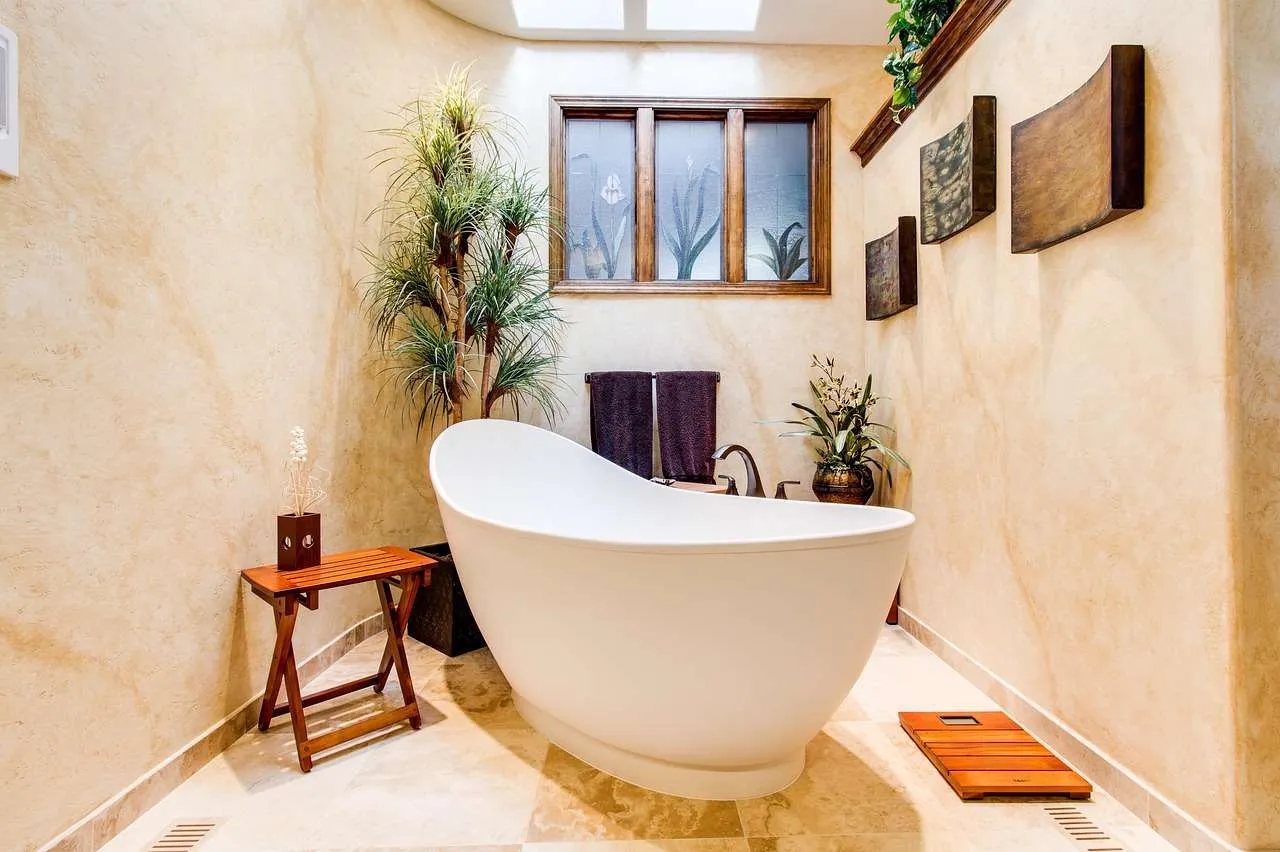
Natural stone such as marble, travertine, or slate brings timeless elegance and unique veining. While stone can elevate the look of a bathroom, it requires more maintenance. Some stones are porous and need sealing to resist staining and moisture. Regular sealing and careful cleaning extend their life and preserve color variations.
Glass and decorative tiles
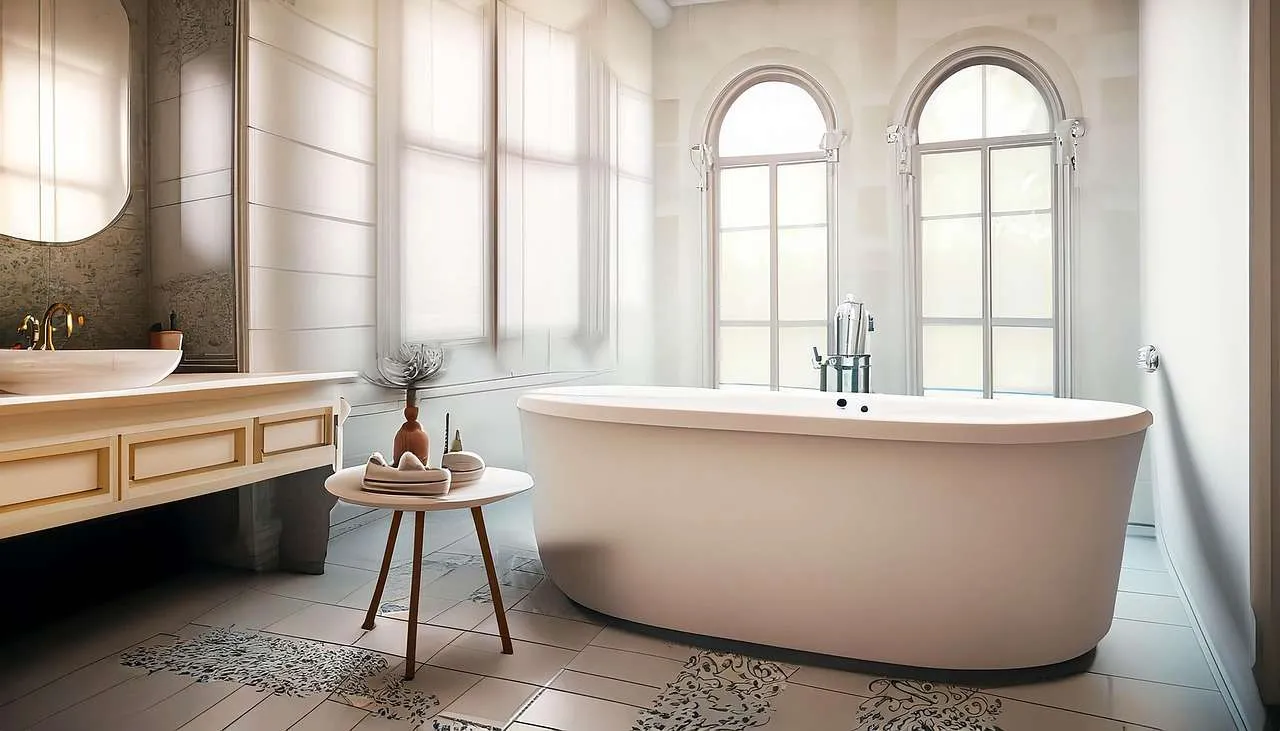
Glass tiles add a reflective quality that brightens small bathrooms, while mosaic and decorative tiles provide personality with color, texture, and pattern. Glass is non-porous and resistant to staining, but it can be slippery when used on floors. Decorative tiles are often used as accents or backsplashes to create focal points without overwhelming the space.
Choosing tiles by space and moisture
Bathrooms experience high humidity and frequent water exposure. When selecting bathroom tile, consider the following guidelines:
- Floor tiles should be durable and slip-resistant. Look for ratings such as R9 to R13 for slip resistance and choose textured or patterned finishes for safety.
- Wall tiles can be lighter and more varied in texture. For showers and tub surrounds, select tiles with low water absorption (low porosity) to minimize moisture intrusion.
- Size matters. Large format tiles create fewer grout lines and can visually enlarge small spaces, while smaller tiles offer better grip and are easier to fit around plumbing and odd angles.
- Grout color matters. Light grout can highlight lines, while darker grout hides stains and mildew better in wet zones.
Finishes, sizes, and patterns
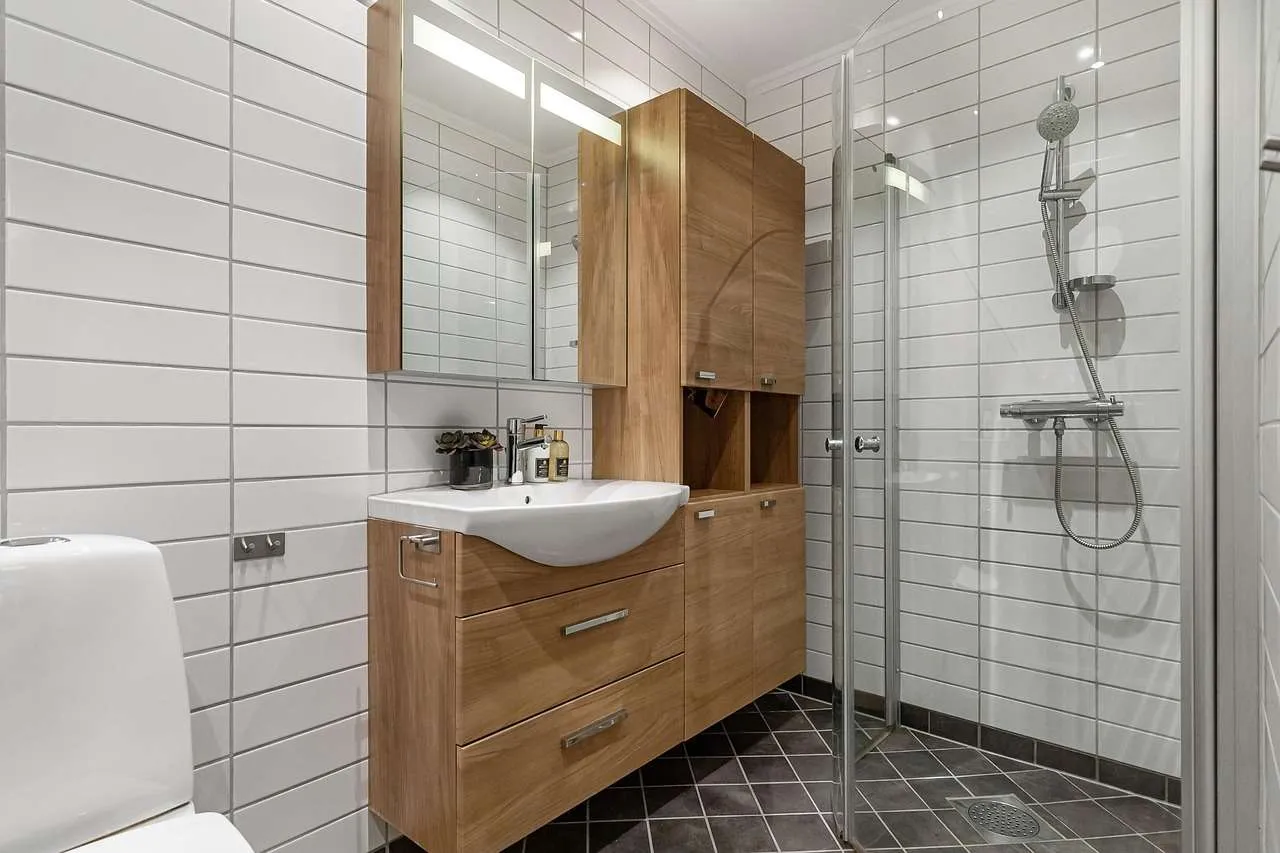
Finishes such as matte, satin, and high-gloss each deliver a different look and maintenance level. Matte finishes reduce glare and provide better slip resistance, while high-gloss surfaces are easier to wipe clean but can show water spots. Common tile sizes include 4x4, 6x6, 12x12, and larger formats like 24x24. Subway tiles (2x4 or 3x6) remain a timeless choice, especially for walls, and work well in various layouts including herringbone or stacked patterns.
Patterns and layout ideas
The layout influences how the bathroom tile reads in the space. Classic patterns include stacked, offset brick, and herringbone. A bold contrast between wall and floor tiles can create visual interest, while a monochrome palette emphasizes serenity. For showers and niches, consider accent rows or mosaic inserts to break up monotony without overwhelming the room.
Grout, waterproofing, and installation tips
Proper installation is essential for a durable bathroom tile job. Key tips include:
- Use a quality thinset mortar appropriate for porcelain or natural stone. Select a water-resistant mix for wet areas.
- Ensure a perfectly flat substrate and use back-buttering for large format tiles to prevent lippage.
- Seal natural stone and, if desired, grout with a penetrating sealant to reduce staining and moisture migration.
- Choose mildew-resistant grout in high-moisture zones and consider epoxy grout in areas with heavy water exposure for easier cleaning.
- Allow for proper expansion joints and implement waterproofing behind walls in shower stalls to prevent leaks into the substrate.
Maintenance and cleaning
Maintenance varies by tile type. Ceramic and porcelain tiles are stain resistant and easy to clean with standard bathroom cleaners. Natural stone often requires a pH-neutral cleaner and periodic sealing. Glass tiles should be cleaned with non-abrasive, non-acid cleaners to avoid etching. Grout lines, especially light-colored grout, benefit from regular sealing and periodic deep cleaning to prevent mold growth.
Cost considerations and value
Cost ranges from low to premium depending on material, size, and installation complexity. Ceramic tiles tend to be most budget-friendly, porcelain offers durability at moderate cost, natural stone commands a higher price, and glass or decorative options sit in the middle. Beyond material cost, consider substrate prep, waterproofing, and professional installation, as these factors significantly influence total project cost and long-term value.
Comparison of common bathroom tile types
| Type | Durability | Moisture Resistance | Maintenance | Typical Cost |
|---|---|---|---|---|
| Ceramic | Good | Good | Low to Moderate | Low |
| Porcelain | Excellent | Excellent | Low | Moderate |
| Natural Stone | Excellent | Variable | Moderate to High | High |
| Glass | Moderate | Good | Low | Moderate |
Conclusion
Choosing the right bathroom tile involves balancing aesthetics, function, and budget. Start with the space requirements, select a tile type that matches moisture exposure, and plan for proper installation and sealing. Pattern choices and finishes can transform a bathroom from ordinary to inspiring, while maintenance plans help preserve color and integrity for years. Always prioritize reputable products and skilled installation to ensure long lasting results.
Summary: A well chosen bathroom tile solution blends durability with design, pairs tile type with location, uses appropriate finishes and grout, and follows proper installation and maintenance practices. This approach yields a space that looks great, resists moisture, and remains easy to clean over time.