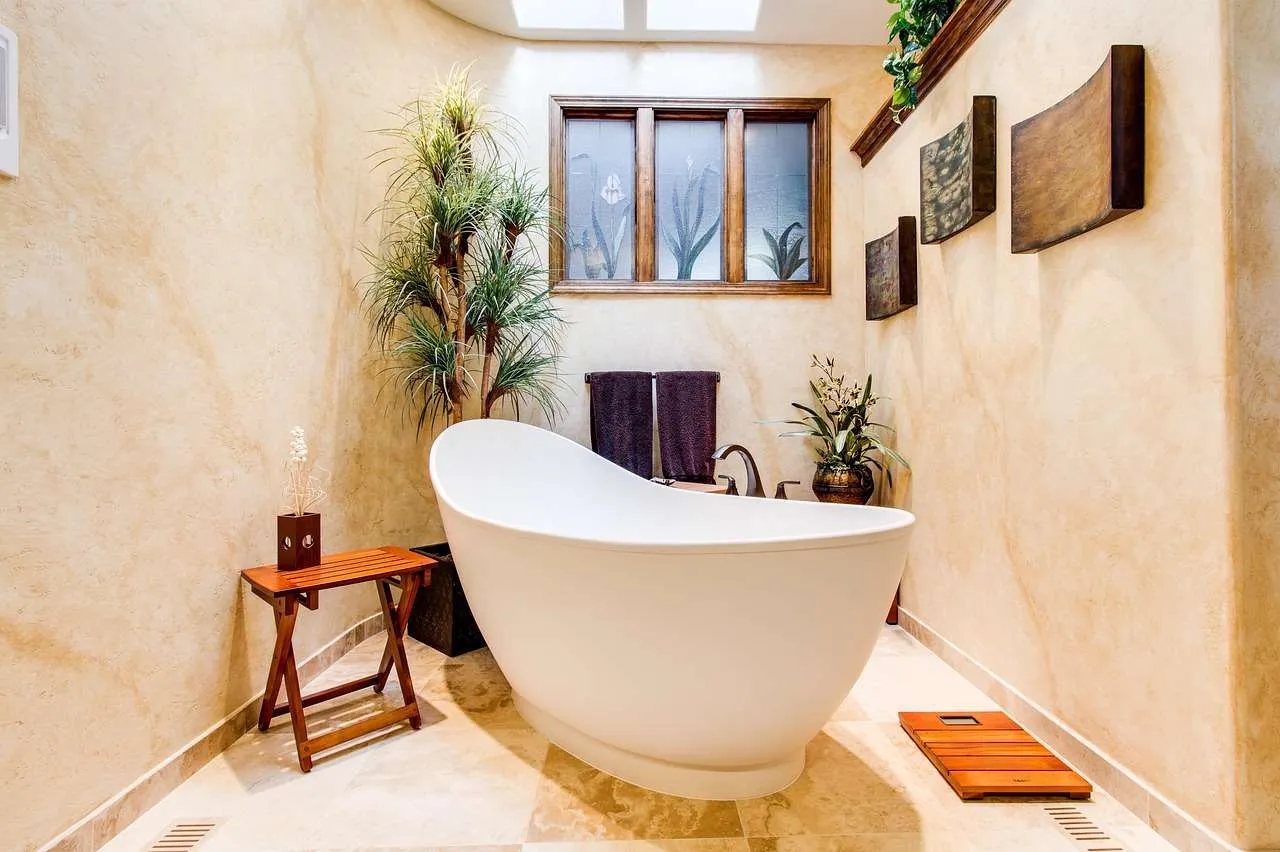
Small bathrooms present design challenges, but they also offer opportunities to innovate. With a clear plan grounded in space efficiency, durable materials, and timeless style, you can create a bathroom that feels larger and more functional. This guide covers practical small bathroom ideas, emphasizing layout, storage, lighting, finishes, and budget friendly choices to deliver an impressive result without sacrificing comfort.
Smart layouts for tiny spaces
Choose wall mounted vanity to free floor space. A compact sink or corner sink helps widen the usable floor. For showers, a quadrant or curved enclosure can feel larger than a square box. Consider a pocket door or sliding panel to avoid door swing conflicts. Use a large mirror and light reflecting surfaces to visually expand space. Finally, plan the flow so the toilet, sink, and shower are accessible with minimal stepping over layout obstacles.
Fixture placement and flow
Position fixtures to allow at least 28 inches of clear floor space in front of each unit when possible. If space is extremely tight, a corner toilet and a rear wall hung vanity can improve circulation. A frameless glass shower reduces visual bulk while expanding sight lines.
Storage solutions that free up space
Storage is the secret weapon in small bathrooms. Use recessed niches in the shower wall for shampoo and soap. Install tall, narrow cabinetry or built in shelving above the toilet. Add a floating vanity with a shallow depth and soft close drawers. Use over door organizers and magnetic strips for metal hardware and cosmetics. Choose a recessed medicine cabinet with mirrored doors to combine storage and light reflection.
Lighting and color schemes
Layered lighting makes a tiny room feel bigger. Combine ambient ceiling light with task lighting around the mirror and accent lighting for shelves. A generous horizontal mirror amplifies light. Light neutral colors like soft whites, warm beiges, or cool grays keep the space calm, while glossy tiles or UV resistant surfaces reflect daylight. Use durable, moisture resistant finishes such as porcelain tile, ceramic, quartz counters, and epoxy grout to resist mold and staining.
Materials and durability
Durability matters in small bathrooms where maintenance time is precious. Choose water resistant materials and low maintenance surfaces. Porcelain or ceramic tile with large formats reduces grout lines. Quartz countertops resist moisture and stains. A high quality acrylic shower base or fiberglass with reinforced backing keeps upkeep simple.
Comparison of tub and shower options
| Option | Pros | Cons | Best For |
|---|---|---|---|
| Tub and shower combo | Familiar for resale, versatile use | Takes floor space, less efficient | Family bathrooms with kids |
| Walk in shower with frameless glass | Feels open, easy cleaning | Requires precise waterproofing | Small spaces seeking openness |
| Shower only in a wet room | Maximizes space, barrier free | Higher cost and plumbing layout | Compact modern bathrooms |
Step by step makeover plan
- Measure the space accurately including door swing and fixture footprints.
- Define must have items and choose compact fixtures with appropriate clearances.
- Design a layout that prioritizes a shower or tub as a focal point and uses wall space for storage.
- Pick a color palette and materials that reflect light and resist moisture.
- Install layered lighting and a large mirror to visually expand the room.
- Hire qualified trades for waterproofing, plumbing, and tiling to ensure long term durability.
Conclusion, small bathroom ideas can deliver big gains. By optimizing layout with space saving fixtures, maximizing storage, leveraging lighting and reflective surfaces, and choosing durable materials, you can create a practical, beautiful bathroom that feels larger than its footprint. This approach supports usability, maintenance, and value while remaining within budget.