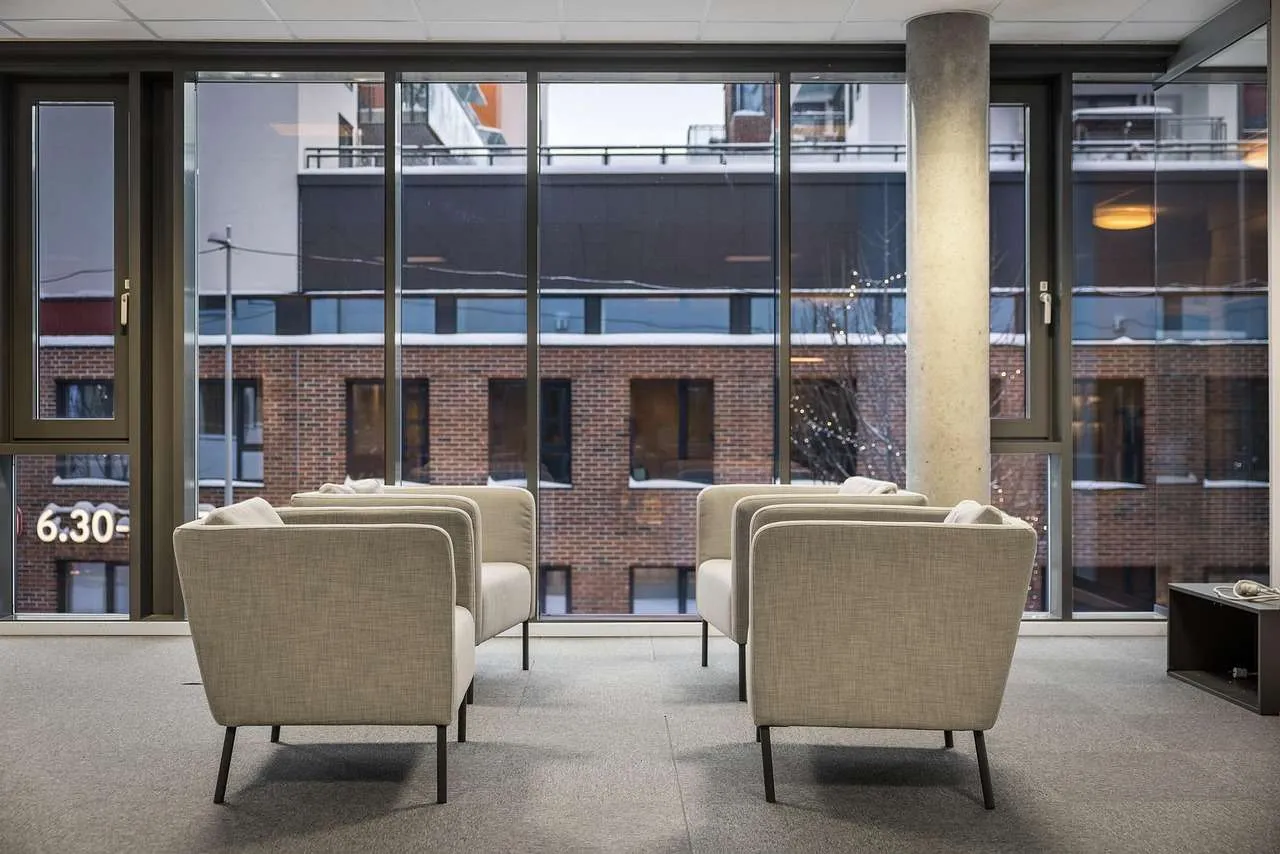
Home window tinting offers a practical, aesthetic upgrade for residences. By applying a tinted film to existing windows, homeowners can reduce heat gain, block ultraviolet (UV) rays, improve privacy, and enhance security. This guide explains what home window tinting is, the main tinting options, and how to choose the right solution for your house.
Why home window tinting matters
Heat reduction lowers energy use and keeps interiors cooler in summer. UV protection helps protect furnishings from fading and reduces glare on screens and surfaces. Privacy and security benefits also improve daily living, especially in urban areas with street traffic or ground-floor rooms. For homes with large windows, tinting can deliver noticeable energy savings and comfort year-round.
Types of home window tinting
Different tint technologies offer various balances of performance and price. Here are the most common options used in residential settings:
Dyed window film
Pros: Low cost, good color stability, privacy at higher percentages. Cons: Less UV protection than specialty films, can fade over time, and may show rings if installed improperly.
Metalized/reflective film
Pros: Strong glare reduction, good heat rejection. Cons: Can interfere with some electronics or sensors, may appear mirrored from outside, and can fade with some brands.
Ceramic film
Pros: Excellent heat rejection, high UV blocking, preserves natural glass color, non-metallic so it does not affect electronics. Cons: Higher upfront cost, best performance in mid to high VLT ranges.
Carbon or hybrid films
Pros: Rich appearance, good privacy, durable and fade resistant, reduces solar heat with less reflectivity. Cons: Moderate cost, installation quality matters.
Choosing the right tint for your home
Key factors include visible light transmission (VLT), infrared rejection, and your climate. Lower VLT means darker windows and more privacy, but also less natural light. Consider room orientation: south and west facades absorb more heat and may benefit from darker or higher performance films. Local codes and homeowners association rules may cap tint darkness for exterior appearances or safety requirements. If your home has smart blinds or automated shading, you may prioritize a tint that preserves daylight without excessive darkness.
Balance, not just blackout
For most homes, a mid range VLT with strong UV protection provides a balance of energy savings and livability. Ceramic or carbon films typically offer the best performance without excessive reflectivity, preserving the view while reducing heat.
Professional installation vs DIY
Professional installation ensures a bubble-free finish, full surface adhesion, and warranty coverage. DIY tinting is possible on small or single-pane windows, but multi-pane or exterior applications require precise preparation, cleaning, and curing. Poor installation can cause air pockets, peeling edges, or heat-induced issues. When evaluating installers, ask about certification, workmanship warranties, and aftercare instructions.
Maintenance, safety, and legality
Clean tinted windows with a soft microfiber cloth and non-ammonia cleaners. Avoid abrasive scrubbers that can scratch film. Regular inspections help you spot edge peeling or bubbling early. In many regions, residential tint codes are flexible, but some authorities restrict the darkest shades on main facades or street-facing panes. Always verify local regulations before choosing an extremely dark tint, and request samples to ensure color consistency across windows.
Comparison of common residential tint types
| Tint Type | UV Rejection | Privacy | Glare Reduction | Durability | Typical Cost |
|---|---|---|---|---|---|
| Dyed film | High | Low to Medium | Medium | Medium | Low |
| Metalized film | Very high | Medium | High | Medium to High | Medium |
| Ceramic film | Very high | High | Very High | High | High |
| Carbon film | Very high | High | High | High | Medium to High |
Maintenance tips and warranty considerations
Look for warranties that cover bubbling, peeling, and fading. Ensure you understand cleaning guidelines and any aftercare restrictions after installation. A properly maintained tint can last 10 to 15 years or more depending on climate and film quality.
Conclusion
Conclusion, home window tinting offers meaningful comfort, energy efficiency, and privacy benefits. By understanding tint types, evaluating climate and local laws, and choosing professional installation when needed, homeowners can achieve better living spaces with minimal tradeoffs.