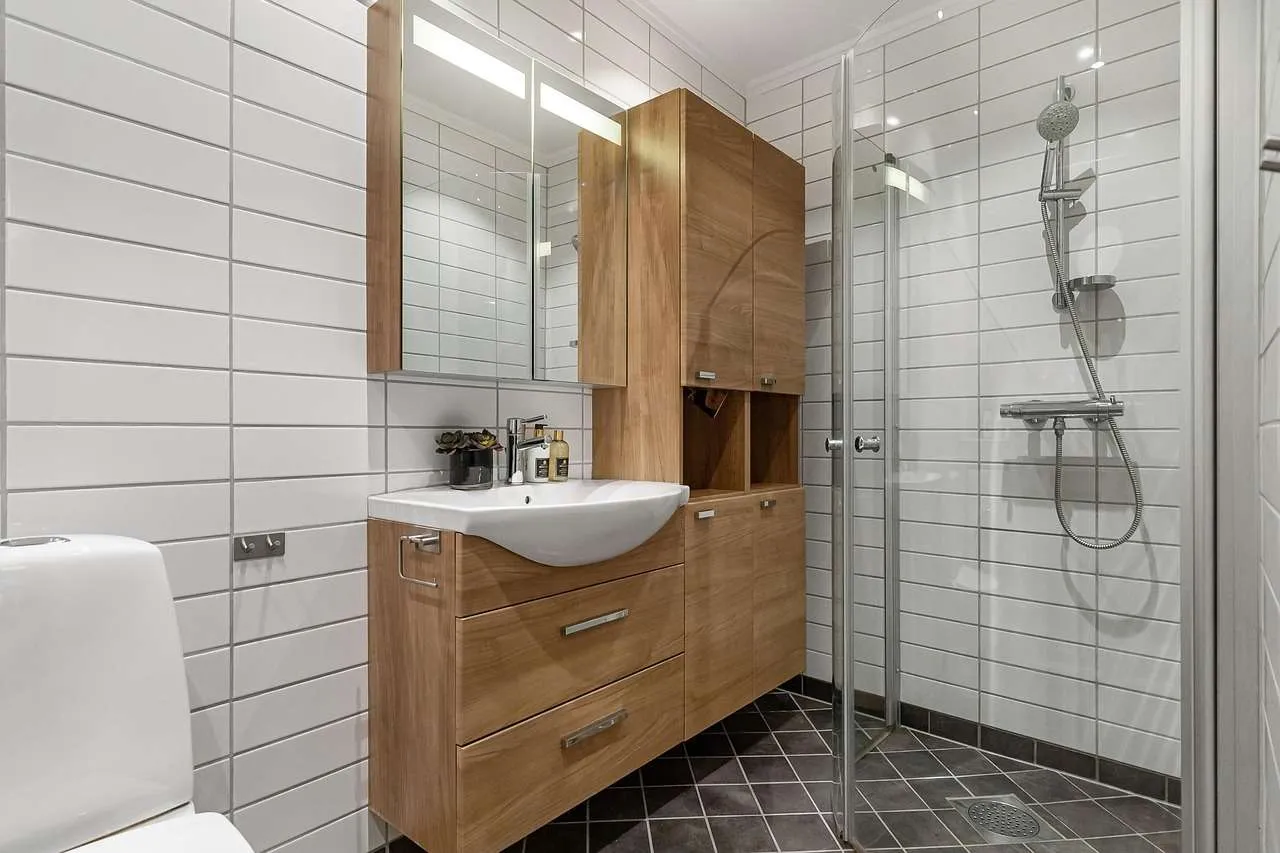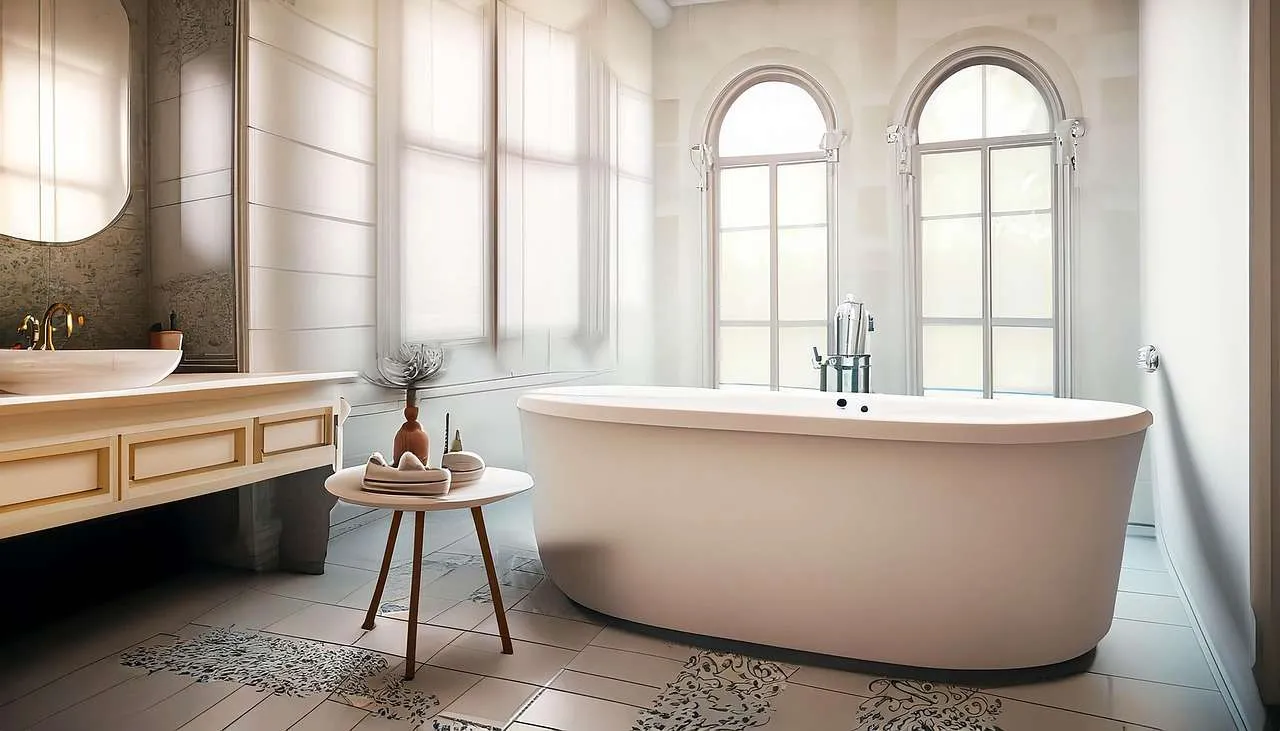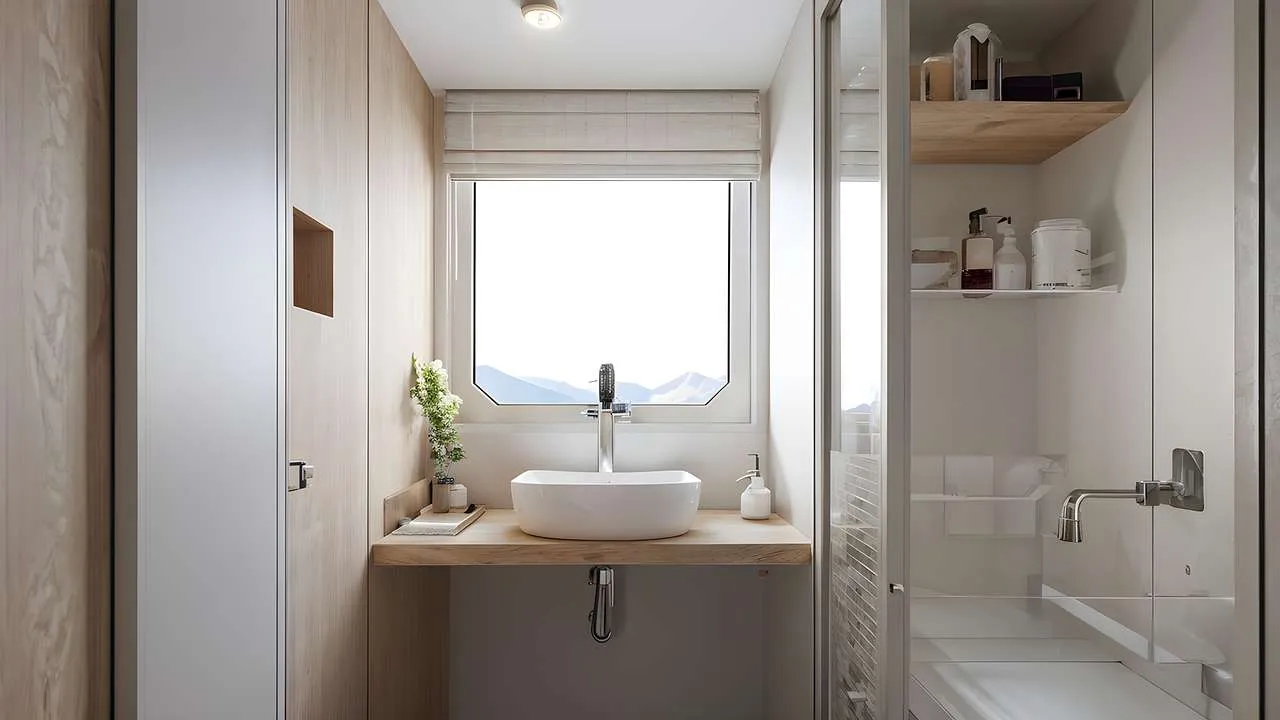
Choosing bathroom tiles is more than aesthetics; it's about moisture protection, durability, and ease of maintenance. This guide covers material types, design ideas, installation tips, and care strategies to help you select tiles that fit your style and budget while ensuring long term performance.
Understanding Bathroom Tiles and Their Roles
In bathrooms, tiles serve as walls, floors, and splash protection. The right tiles withstand humidity, resist stains, and offer slip resistance. A well chosen tile plan aligns with your design goals and the plumbing layout.
Key factors to consider
Water exposure, bathroom size, foot traffic, and ventilation influence tile choices. For floors look for slip resistance ratings and for walls select durable glazes. Prioritize tiles with low water absorption for wet areas, and choose grout colors that hide dirt while still looking fresh.
Tile Materials: Ceramic, Porcelain, Glass, and Natural Stone
Ceramic Tiles
Ceramic tiles are affordable and versatile with many colors and patterns. They perform well on walls and light traffic floors but grout may require sealing and periodic cleaning in damp areas.
Porcelain Tiles
Porcelain is denser and more water resistant than standard ceramic, making it ideal for floors and showers. They resist staining and wear, but installation may require skilled labor and proper substrate preparation.
Glass Tiles
Glass tiles add brightness and reflectivity to small bathrooms or backsplashes. They are non porous and easy to clean, but can be slippery on floors and may show water spots unless cleaned regularly.
Natural Stone Tiles
Marble, granite, or slate create a luxurious look but require more maintenance. Stone is porous and may need sealing; care products should be non acidic to prevent etching and staining.
Design and Installation Considerations
Tile size, layout, and grout color influence the feel of the space. Larger tiles can make a small bathroom seem bigger, while small mosaics add texture and grip in showers. Waterproofing behind the substrate is essential in wet zones; consider hiring a licensed installer or contractor with bathroom experience to meet codes and warranties.
Layout and installation tips
Plan the layout ahead. Dry lay the tiles, account for cuts at edges, and acclimate tiles to room temperature to reduce cracking. In wet rooms install a waterproof membrane or liquid barrier behind the substrate and use epoxy grout in high moisture areas for longevity.
Maintenance and Longevity
Maintenance preserves the look and lifespan of bathroom tiles. Clean with mild cleaners, avoid acidic products, and seal porous stones or grout periodically. For floors, add mats and use non slip treatments where needed. Replacing individual tiles or regrouting is often possible without a full remodel when wear becomes visible.
Comparison: Tile Types at a Glance
| Type | Best Use | Water Absorption | Maintenance | Typical Cost/ft² |
|---|---|---|---|---|
| Ceramic | Walls and light traffic floors | Moderate | Low to Moderate | $1–$3 |
| Porcelain | Floors and wet zones | Low | Moderate | $2–$6 |
| Glass | Backsplashes and accents | Very low | Low | $8–$15 |
| Natural Stone | Luxurious bathrooms | Variable | High | $10–$30 |
How to Choose the Right Tile for Your Space
Evaluate moisture levels, traffic patterns, and cleaning routines. If the bathroom is shared with children or pets, prioritize slip resistance and stain resistance. Consider coordinated color schemes, grout choices that blend with or accent the tile, and a maintenance plan that fits your lifestyle. A professional assessment from a licensed installer or interior designer ensures accuracy for complex layouts or radiant heated floors.
Cost, Warranty, and Professional Advice
Costs vary by material, size, and location. Porcelain, glass, and natural stone typically cost more upfront than ceramic. Always review warranty terms and ensure proper substrate preparation and waterproofing to protect the investment. Obtain quotes from insured, experienced installers and verify they follow local building codes and tile standards.
Conclusion, selecting bathroom tiles is about balancing aesthetics, durability, and maintenance. By understanding material properties, layout options, and proper installation, you can achieve a cohesive bathroom that lasts for years while reflecting your personal style.